
When people think about yacht chefs, they often picture plated guest meals, fine dining, fresh seafood and polished service. That is one part of the role, but it is not the whole story. Behind the guest experience is another daily responsibility that matters just as much: feeding the crew.
Yacht chef crew food plays a direct role in how the boat runs. Crew members work long hours, often in physically demanding roles. They may be on deck in the heat, managing interiors, cleaning, handling guest requests, maintaining systems or preparing for the next movement of the vessel. They need food that supports energy, focus and recovery.
Good crew food is not only about filling plates. It needs to be practical, nourishing, varied and suited to the rhythm of life onboard. A well-fed crew is usually more focused, more patient and better equipped to handle the pressure of a busy charter.
That is where a yacht chef’s work becomes more than cooking. It becomes planning, timing and understanding what people need to keep going.
Explore Gordon Hunter Logan’s yachting chef work here: https://gordonhunterlogan.com/
Why Crew Food Matters on a Yacht
Crew meals are not always visible to guests, but they affect the entire onboard experience. A tired, hungry or under-fuelled crew will struggle to perform at their best. On a yacht, where service standards are high and space is limited, that can quickly create pressure.
Feeding yacht crew well helps support:
- Physical energy during long shifts
- Mental focus during busy service periods
- Better mood and team morale
- Recovery after physically demanding work
- Consistency across guest-facing roles
- A more settled rhythm onboard
Crew food does not need to be overly complicated. In fact, simple food done well is often the most useful. A balanced meal with good protein, slow-release carbohydrates, vegetables and healthy fats can make a real difference during a long working day.
The challenge for the chef is making food that feels satisfying without making the crew feel heavy or sluggish. That balance is important, especially when the next shift may start straight after lunch.
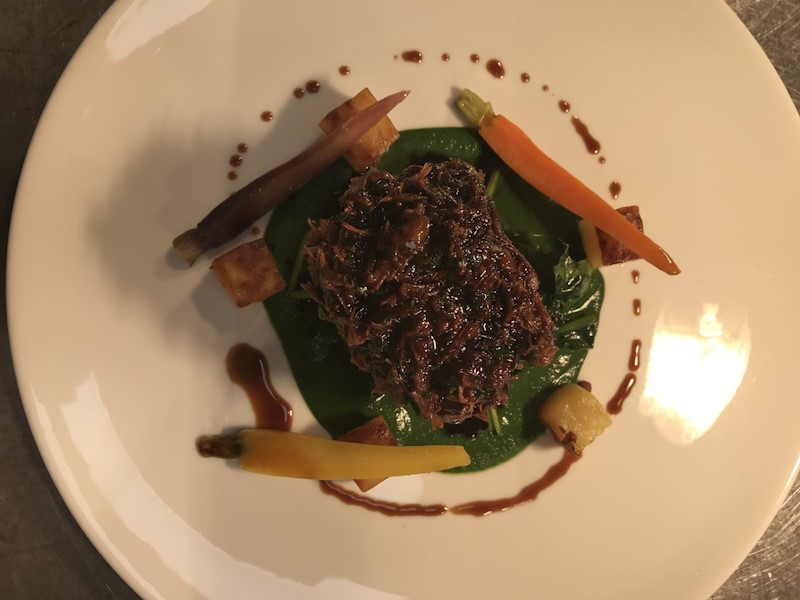
The Difference Between Cooking for Guests and Feeding the Crew
Cooking for guests and feeding the crew require different thinking.
Guest food is often more tailored, more refined and more focused on experience. It may be built around personal preferences, plated presentation, timing, special occasions or fine dining expectations. Crew food needs to do something else. It must be practical, consistent and sustaining.
A yacht chef may be preparing a detailed lunch for guests while also making sure the crew has a proper meal before service. Both matter, but they serve different needs.
Guest meals often focus on:
- Presentation
- Personal preference
- Occasion
- Luxury experience
- Menu flow
- Fine detail
Crew meals often focus on:
- Energy
- Nutrition
- Timing
- Practical portions
- Variety
- Food that can hold well if shifts change
This does not mean crew food should be plain or treated as an afterthought. Good crew food still needs care. The difference is that the chef must think about function as well as flavour.
View Gordon’s recipe style and food inspiration here: https://gordonhunterlogan.com/recipes/
Building Balanced Crew Meals
A strong crew meal usually starts with balance. Crew members need enough fuel to work, but they also need food that helps them stay alert.
A practical plate often includes:
- Protein for repair, fullness and recovery
- Carbohydrates for energy
- Vegetables for fibre, colour and nutrients
- Healthy fats for flavour and satisfaction
- Enough hydration support, especially in hot climates
Protein may come from chicken, fish, eggs, beef, legumes, yoghurt or plant-based options. Carbohydrates may include rice, potatoes, pasta, oats, wraps, bread or grains. Vegetables help keep meals lighter and more balanced, especially when workdays are long.
The aim is not to create a strict diet plan. The aim is to provide steady fuel. Crew members need meals that help them work well, not meals that leave them uncomfortable or drained.
Did You Know? Crew meals often need to suit different shift times. A meal may need to work for someone eating before service, someone grabbing food between tasks and someone finishing a late shift.
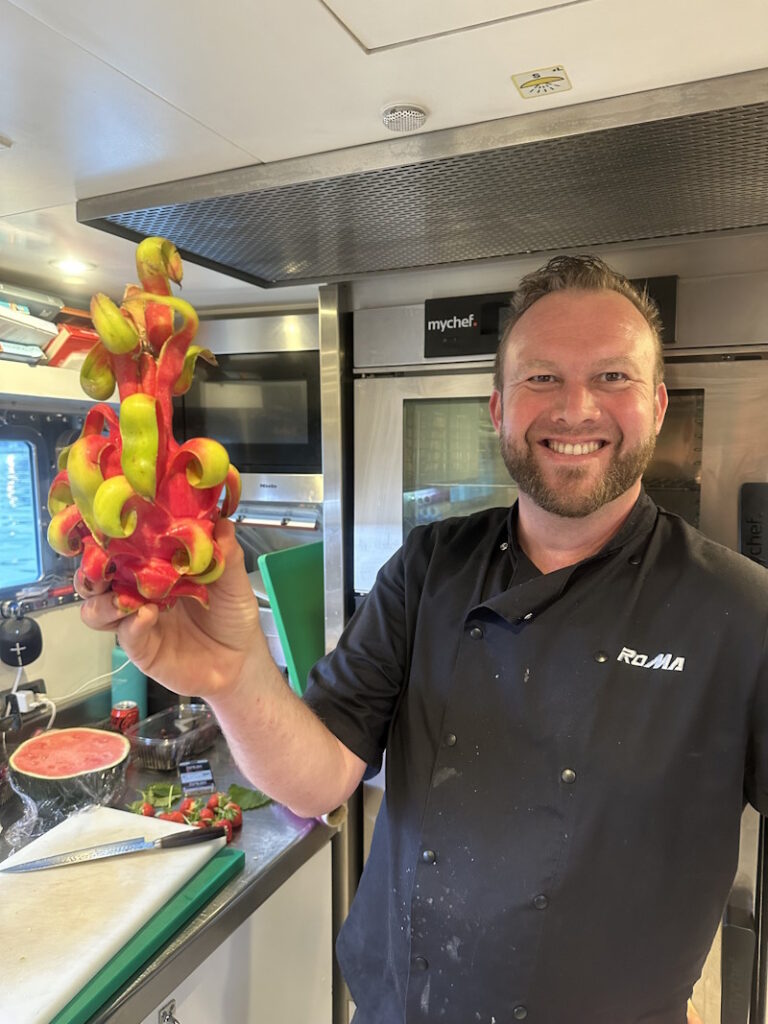
Keeping Energy Up Without Making Meals Too Heavy
Heavy meals can feel comforting, but they are not always ideal during a demanding workday. If crew members need to return to deck duties, guest service or cleaning shortly after eating, food needs to support energy rather than slow them down.
This is where a chef needs good judgement.
A meal that supports steady energy may include:
- Grilled chicken, rice and vegetables
- Tuna salad wraps with fruit on the side
- Beef stir-fry with noodles and greens
- Lentil curry with rice and yoghurt
- Omelettes with salad and toast
- Pasta with lean protein and vegetables
- Roasted vegetables, hummus and flatbread
- Fresh soups with bread and protein sides
The best crew meals often feel generous but not excessive. They give enough fuel without overloading the body.
This is also where timing matters. A richer meal may work well after a long day, while a lighter lunch may be better before another busy service period.
Managing Different Dietary Needs and Preferences
Crew members may come from different backgrounds and have different food preferences. Some may avoid certain ingredients. Others may need vegetarian, gluten-free, dairy-free or higher-protein options. Some may simply dislike specific foods.
A yacht chef cannot always prepare completely separate meals for everyone, especially in a small galley with limited time. But they can plan meals that are flexible.
This may include:
- Serving sauces or dressings on the side
- Keeping a vegetarian protein option available
- Using build-your-own meal formats
- Preparing simple swaps where possible
- Labelling food clearly
- Avoiding unnecessary allergens when practical
- Keeping staple backup items available
Build-your-own meals can work well onboard. Rice bowls, wraps, salads, pasta bars and taco-style meals give crew members some choice without creating too much extra work for the chef.
The goal is to make people feel considered while still keeping the galley running efficiently.
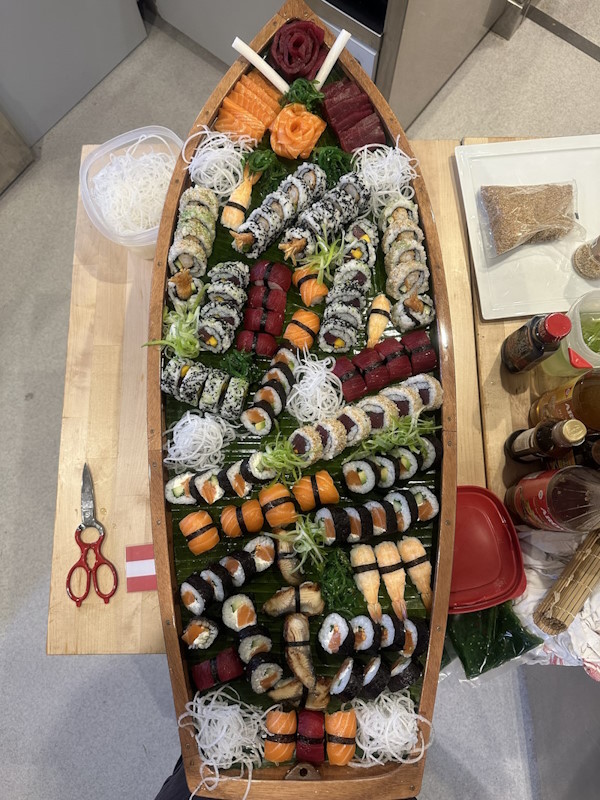
Keeping Meals Varied During Long Charters
Variety is one of the biggest challenges when feeding crew over a long charter or season. Even good food can start to feel repetitive if the same meals appear too often.
Crew morale can drop when meals become predictable. A small change in flavour, format or theme can help keep food interesting without adding unnecessary pressure.
A yacht chef can create variety through:
- Different cuisines and flavour profiles
- Rotating proteins
- Changing side dishes
- Mixing hot and cold meals
- Using themed meal days
- Offering fresh salads and sauces
- Turning leftovers into new meals
- Including occasional comfort food
For example, chicken can become a curry, salad, wrap, stir-fry, roast dinner or pasta dish. The base ingredient may be similar, but the eating experience feels different.
This is where creativity has a practical purpose. It keeps food enjoyable, reduces waste and helps the crew feel looked after.
Working With Limited Storage and Changing Provisions
Yacht galley cooking comes with real limits. Space is tight. Fridge and freezer capacity may be restricted. The yacht may move between locations where ingredient quality and availability change. Provisioning can be affected by timing, suppliers, weather and access.
This means crew food needs to be planned with flexibility.
A chef may need to work with:
- Limited dry storage
- Fresh produce that must be used quickly
- Frozen items that need careful rotation
- Ingredients sourced in different ports
- Guest food taking priority in storage
- Last-minute changes to guest or crew numbers
- Varying supplier quality
Good stock control becomes essential. The chef needs to know what is available, what must be used soon and what can be held for later.
Staple ingredients are useful because they can support many meal options. Rice, pasta, oats, potatoes, eggs, tinned tomatoes, beans, lentils, spices, frozen vegetables and long-life pantry items can help the chef build meals when fresh provisions are low.
This does not replace fresh cooking. It supports it.
Learn more about Gordon’s yachting chef background here: https://gordonhunterlogan.com/about/

Crew Food and Morale Are Closely Linked
Food has a strong emotional role onboard. A good meal can shift the mood after a hard day. It can make the crew feel seen, supported and valued.
This is especially true during long charters. Crew members may have limited time off, shared living spaces and demanding schedules. A meal becomes more than fuel. It becomes a short pause in the day.
Good crew food can help improve morale by:
- Creating routine
- Offering comfort
- Giving the crew something to look forward to
- Supporting better energy
- Showing care from within the team
- Helping people reset between shifts
It does not always need to be elaborate. Sometimes a warm, well-seasoned meal after a long day does more for morale than a complicated dish.
The chef’s understanding of the crew matters. Knowing when to serve something fresh and light, when to offer comfort food and when to keep things simple is part of the skill.
The Daily Pressure Behind Crew Meals
Feeding the crew often happens alongside guest service, not instead of it. This is one of the harder parts of superyacht chef life.
The chef may need to prepare guest breakfast, crew breakfast, guest lunch, crew lunch, snacks, guest dinner and crew dinner in the same day. On some yachts, the chef may be working alone. On larger yachts, there may be a galley team, but the pressure remains high.
A normal day can involve:
- Early breakfast preparation
- Crew meal planning
- Guest preference checks
- Stock rotation
- Menu adjustments
- Cleaning and galley resets
- Prep for the next service
- Late-night requests
- Crew snacks or backup meals
This is why planning is so important. If crew food is not planned properly, it can become rushed. When it is planned well, the chef can feed the crew properly without compromising the guest experience.
Contact Gordon directly here: https://gordonhunterlogan.com/contact/
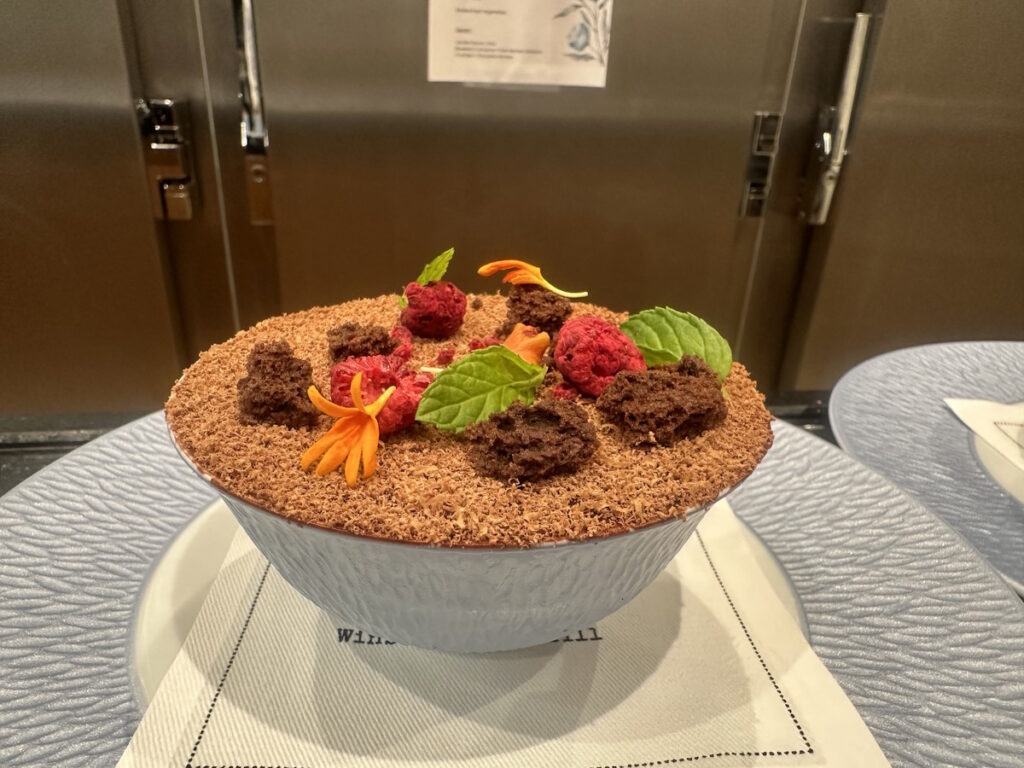
What Good Crew Food Says About the Standard Onboard
The way crew are fed says a lot about the standard onboard. It reflects planning, respect and professionalism. A yacht may have beautiful guest meals, but if the crew are not fed properly, the operation can suffer.
Good crew food supports the full team behind the scenes. It helps deck crew stay energised, interior crew stay focused and engineers keep going through demanding technical work. It also supports the chef’s own workflow, because a settled crew is easier to work alongside than a tired and frustrated one.
Strong crew food is not about being fancy. It is about being thoughtful, consistent and useful.
It shows in:
- Better energy during service
- Fewer rushed snacks and skipped meals
- Improved mood onboard
- Stronger teamwork
- More consistent performance
- A healthier working rhythm
When the crew are properly supported, guests benefit too. They may never see the crew meal, but they feel the effect through smoother service and a more settled atmosphere onboard.
Conclusion: Crew Food Is Part of the Whole Yacht Experience
Yacht chef crew food is one of the most important unseen parts of life onboard. It supports energy, morale and performance during long days, demanding shifts and busy charters.
A yacht chef must balance nutrition, preference, variety, timing and limited provisions while still maintaining guest food standards. That takes planning, flexibility and a clear understanding of how the vessel operates.
Feeding the crew well is not a side task. It is part of the whole yacht experience. When the crew are properly fuelled, they can work better, communicate better and handle the demands of the day with more focus.
Good crew food keeps the boat moving in more ways than one.
To explore Gordon Hunter Logan’s work, visit: https://gordonhunterlogan.com/
To get in touch directly, visit: https://gordonhunterlogan.com/contact/
FAQ: Yacht Chef Crew Food
What is yacht chef crew food?
Yacht chef crew food refers to the meals prepared for crew members working onboard a yacht. These meals need to support energy, nutrition, morale and performance during long working days.
How is crew food different from guest food on a yacht?
Guest food is usually more personalised, refined and focused on the luxury experience. Crew food is more practical and energy-focused, but it still needs to be balanced, varied and enjoyable.
What should crew meals include?
Crew meals should usually include protein, carbohydrates, vegetables and healthy fats. This helps support energy, fullness, recovery and general wellbeing during long shifts.
Why is crew food important on a yacht?
Crew food matters because it affects energy, mood and performance. A well-fed crew is better able to manage demanding tasks, guest service and long working hours.
How do yacht chefs keep crew meals varied?
Yacht chefs keep crew meals varied by rotating proteins, changing flavours, using different cuisines, offering build-your-own meals and making smart use of available provisions.
Do yacht chefs cook for both guests and crew?
Yes, many yacht chefs cook for both guests and crew. This means they need to balance luxury guest dining with practical, nourishing crew meals.